Five hours. That’s how long I spent trying to force productivity yesterday.
Deadline looming. Coffee consumed. Cursor blinking mockingly on a blank document.
As someone who coaches midlife women on confidence and career reinvention, you’d think I’d have this figured out. But here’s the truth: the productivity strategies that worked in our 30s often fail us in midlife. And yesterday, I needed to relearn my own lessons the hard way.
If you’ve ever found yourself pushing harder only to produce less, or wondering why your brain won’t cooperate despite your best intentions—especially during perimenopause or menopause—this is for you.
The Neuroscience of Movement: Why Sitting Doesn’t Equal Thinking
I sat at my desk for hours, convinced that persistence would eventually break through the creative block. It didn’t.
Here’s what we know from neuroscience: creativity and complex problem-solving happen in the prefrontal cortex. But this part of the brain needs specific conditions to function optimally—and remaining sedentary isn’t one of them.
When we move our bodies, we trigger the release of dopamine and serotonin. These neurotransmitters don’t just improve mood; they literally open up neural pathways in the prefrontal cortex where our best thinking occurs. This is especially important for women in midlife, when hormonal changes can affect cognitive function and focus.
The solution was deceptively simple: I got up. Went for a walk. Within minutes, the ideas that had eluded me for hours began to flow.
The practical application: When you’re stuck on a complex problem—whether it’s a strategic decision, a challenging email, or a creative project—stepping away from your desk isn’t procrastination. It’s neurologically sound practice. Movement is medicine for your brain, particularly when navigating the cognitive shifts that can accompany menopause.
Reimagining Productivity: Working With Your Biology, Not Against It
For decades, I operated under the assumption that productive people hit the ground running each morning. Jump out of bed, tackle the hardest tasks first, maintain relentless momentum throughout the day.
That approach served me reasonably well in my corporate years. But in midlife? It’s become counterproductive and a direct path to burnout.
I’ve spent the past two years paying attention to my actual energy patterns rather than forcing myself into someone else’s productivity template. What I’ve discovered: I need a slower, more intentional entry into my day. My creative peak happens in the morning, but only after I’ve given myself space to ease into it.
This isn’t about lowering standards or becoming less ambitious. It’s about strategic energy management—understanding that sustainable high performance in midlife requires working with our natural rhythms, not overriding them.
For women in leadership: Midlife brings hormonal shifts, changing sleep patterns, and different energy dynamics. Many women experience brain fog, fatigue, or concentration challenges during perimenopause and menopause. The women who thrive aren’t those who push through with sheer willpower. They’re the ones who redesign their work around how they actually function best, creating sustainable productivity strategies that prevent burnout.
This might mean scheduling important meetings during your peak energy hours, blocking time for deep work when your mind is sharpest, or building in recovery time that honors what your body needs. It’s not about doing less—it’s about doing what matters most when you’re at your best.
Technology as a Strategic Advantage: AI and Professional Productivity
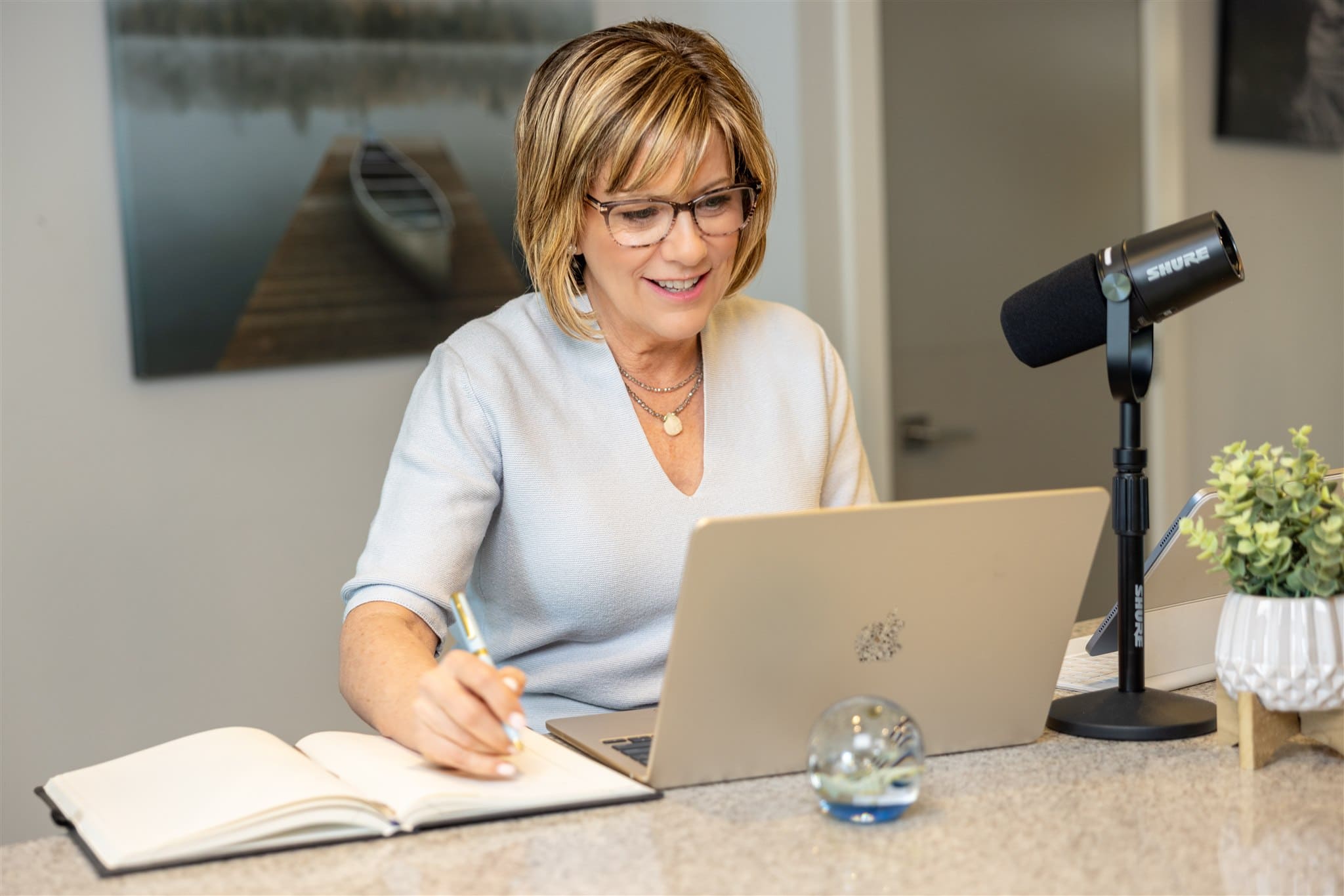
I’m writing this post using voice-to-text through Claude AI. Not because I can’t type, but because I’m a verbal processor, and this method aligns with how I actually think.
In conversations with midlife women, I find many are curious about AI tools but haven’t yet found the right entry point or application for their specific work. I see AI as one of the most significant productivity advantages available to experienced professionals right now.
The key is using AI not to replace our expertise, but to eliminate friction in our workflow. AI tools can handle the mechanical aspects of work—formatting, initial drafts, data analysis, research—freeing our cognitive resources for strategic thinking, relationship building, and the nuanced judgment that comes from decades of experience.
The competitive edge: When we’re balancing complex professional demands with other life responsibilities—and potentially managing menopausal symptoms that affect our energy and focus—working smarter isn’t just preferable, it’s essential. Technology can be a powerful ally in maintaining high performance without sacrificing wellbeing.
Preventing Burnout: A New Model for Midlife Productivity
These three insights—move to think better, honor your natural rhythms, leverage technology strategically—represent a fundamental shift in how we approach professional productivity in midlife.
The traditional model of productivity was about doing more, pushing harder, and maintaining constant momentum. That model leads to burnout, particularly for women in leadership navigating the physical and hormonal changes of perimenopause and menopause.
The new model is about working sustainably and strategically. It’s about understanding that our value doesn’t come from how many hours we can endure at a desk, but from the quality of thinking, leadership, and innovation we bring to our work.
Burnout prevention strategies for midlife women:
- Recognize that your energy patterns may have shifted—honor them instead of fighting them
- Use movement as a tool for better thinking and stress management
- Leverage technology to reduce cognitive load and create more space for high-value work
- Design your workday around your actual energy peaks, not outdated productivity rules
- Give yourself permission to work differently than you did a decade ago
Questions for Reflection
As you navigate your own midlife journey, consider:
- What productivity strategies are you still using from decades ago that no longer serve you?
- Where are you fighting your natural rhythms instead of designing around them?
- What tools or approaches could eliminate friction in your workflow?
- How might sustainable productivity differ from the hustle-harder mentality that may have led to burnout in the past?
- What would change if you gave yourself permission to work with your body’s needs during this season of life?
The Invitation
I’m curious about your experience. What’s shifted for you around productivity in midlife? What strategies are working? Where are you still struggling? How are you managing the intersection of career ambition and menopausal changes?
The women who navigate midlife most successfully aren’t those who pretend nothing has changed. They’re the ones who acknowledge the shifts, adapt strategically, and find new ways to bring their deep expertise to bear without sacrificing their wellbeing.
Let’s continue this conversation. Share your insights in the comments below—I’m genuinely interested in learning from your experience.
Stay brave. I appreciate you being here.
—Diane
Have you downloaded your free Midlife Confidence Framework yet? Visit the website page here and download your version resource today. I am on a mission to spark confidence in midlife women!
Connect with Diane:
LinkedIn: https://www.linkedin.com/in/dianelloyd
Email: diane@dianelloyd.com
Inspiring Midlife Leadership:https://dianelloyd.com/midlife-leadership/